Are You Considering Diazepam for Sleep? Expert Insights and Consumer Experiences
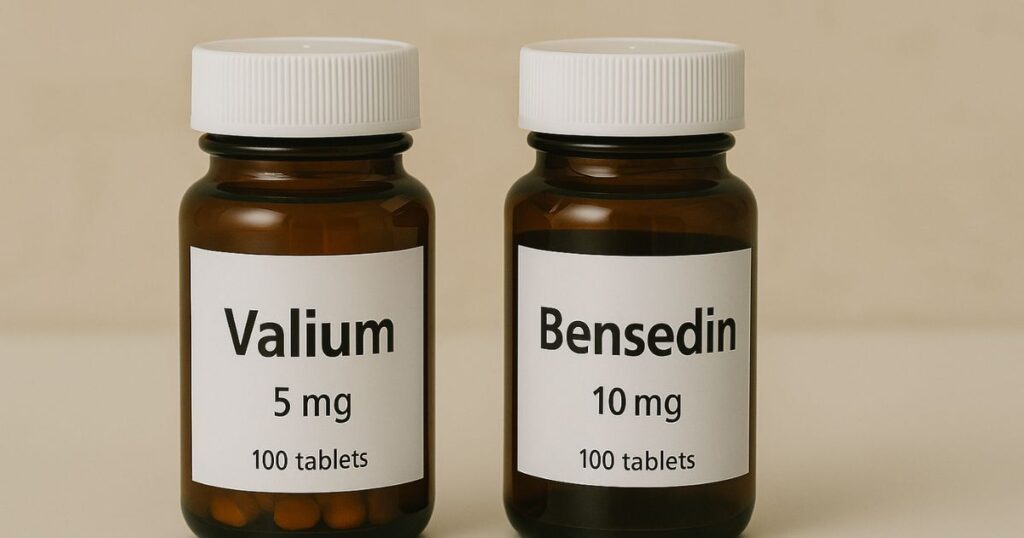
Diazepam is a long-acting benzodiazepine most commonly prescribed for anxiety, muscle spasms, and certain seizure disorders. However, some patients also report using diazepam for sleep, especially during periods of intense stress or acute insomnia. Before considering this route, it is essential to understand how diazepam affects sleep, what clinicians say about its use, and what real patients have experienced.
This guide provides a balanced, responsible overview to help you make informed decisions with your healthcare provider.
How Diazepam Affects Sleep
Diazepam has sedative properties thanks to its enhancement of GABA, a calming neurotransmitter that slows brain activity. This can make diazepam feel helpful for falling asleep during episodes of high anxiety or physical tension.
- Calms overstimulated thoughts before bedtime
- Relaxes physical tension that may delay sleep
- Reduces panic or nighttime anxiety spikes
- May help initiate sleep during acute stress
However, diazepam is not considered a first-line sleep medication, and clinicians typically reserve it for very specific, short-term scenarios.
Expert Clinical Insights on Diazepam for Sleep
From a medical perspective, benzodiazepines like diazepam can help with sleep—but they are not recommended as long-term treatments for insomnia. Here’s why clinicians approach diazepam for sleep cautiously:
Long Half-Life Causes Next-Day Drowsiness
Diazepam remains active in the system for many hours—sometimes more than 24. This can lead to:
- Mild to significant next-day sedation
- Slower reaction times
- Difficulty concentrating
- Impaired driving ability
Not Intended as a Primary Sleep Aid
Unlike medications specifically designed for sleep (e.g., temazepam or zopiclone), diazepam has broader calming effects rather than targeted sleep induction.
Risk of Dependence with Regular Use
Daily or long-term use may lead to tolerance (needing higher doses) and dependence. This is one of the main reasons clinicians avoid prescribing diazepam for chronic insomnia.
Rebound Insomnia After Stopping
When diazepam is discontinued after prolonged use, sleep may temporarily worsen—a phenomenon called rebound insomnia.
Interactions with Other Substances
Using diazepam with alcohol, opioids, or other sedatives can be dangerous due to the risk of respiratory depression.
Consumer Experiences: What Patients Report
Patient experiences with diazepam for sleep tend to fall into several categories. These insights are anecdotal and should always be weighed against clinical advice.
1. Helpful for Short-Term Sleep Issues
Many patients say diazepam helps them fall asleep when stress or anxiety peaks. Common feedback includes:
- “It calms my mind enough to drift off.”
- “It relaxes my muscles so I can finally sleep.”
- “It’s useful during crisis periods but not every night.”
Noticeable Morning Grogginess
Users often mention lingering sedation the next day, especially when taken late at night or at higher doses.
Decreased Effectiveness Over Time
Some individuals report that diazepam becomes less effective the longer they use it, a sign of tolerance.
Concerns About Reliance
Several patients express worry about becoming dependent on diazepam for sleep if used too frequently.
Preference for Dedicated Sleep Medications
Many eventually transition to medications specifically designed for sleep or pursue non-medication sleep therapies.
When Diazepam May Be Considered for Sleep
Clinicians may consider diazepam in very specific and short-term situations, such as:
- Acute anxiety causing temporary insomnia
- Nighttime panic attacks
- Sudden stressful events that disrupt sleep patterns
- Sleep disturbance linked to muscle tension or spasms
Even in these cases, diazepam is usually prescribed for limited, controlled use.
Safer Alternatives for Long-Term Sleep Support
Instead of relying on diazepam for sleep, many patients find better results with:
- Hypnotic medications such as zopiclone or temazepam
- Melatonin-based treatments
- SSRIs/SNRIs for anxiety-driven insomnia
- Cognitive Behavioural Therapy for Insomnia (CBT-I)
- Sleep hygiene improvements (routine, lighting, caffeine limits)
These options are generally safer for long-term use than benzodiazepines.
Frequently Asked Questions
Does diazepam help you fall asleep?
Yes—its sedative effects can assist with sleep onset, but it is not designed as a long-term insomnia treatment.
How long does diazepam make you sleep?
Effects vary, but many people feel sedated for several hours, with lingering feelings into the next day.
Is diazepam safe for nightly use?
Routine nightly use is generally discouraged due to the risk of tolerance, dependence, and next-day impairment.
Is there a safer alternative to diazepam for sleep?
Yes—dedicated sleep medications or therapy-based treatments are preferred for ongoing insomnia.
Can diazepam worsen sleep over time?
Long-term use may lead to rebound insomnia or reduced natural sleep quality.
Final Thoughts
Diazepam for sleep can provide short-term relief during periods of acute anxiety or stress-related insomnia, but it is not intended as a long-term sleep solution. Its sedative effects can be helpful, but the risks—especially dependence and next-day impairment—must be taken seriously.
Before using diazepam for sleep, it’s essential to speak with a licensed clinician who can help you explore safer, more sustainable approaches to managing insomnia.