The Battle of the Benzodiazepines: Bensedin Diazepam vs Valium
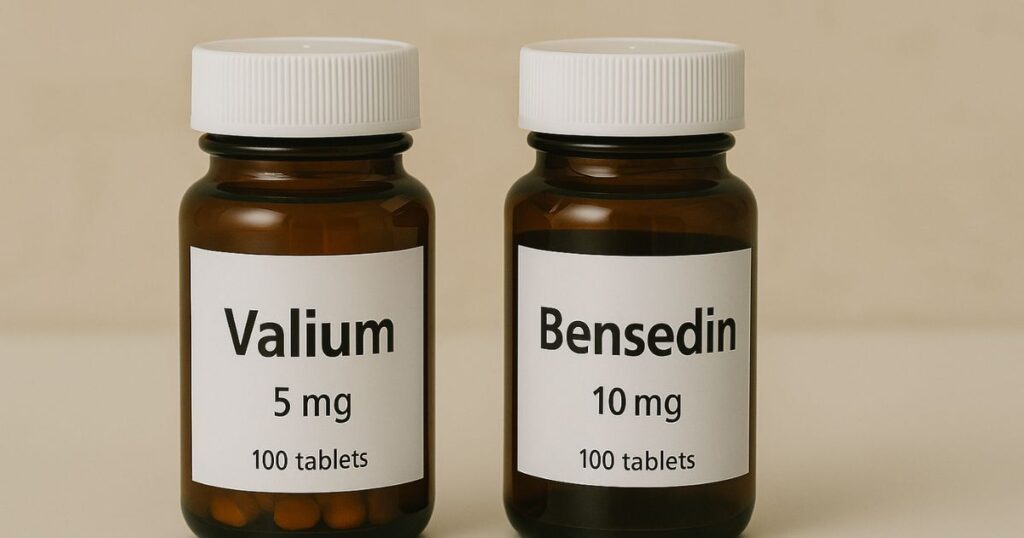
Diazepam is one of the most widely prescribed benzodiazepines in the world, known for its calming, muscle-relaxing and anti-anxiety effects. However, it is commonly encountered under different brand names, leading many patients to wonder about the differences between Bensedin Diazepam and Valium. This comparison helps clarify how each medicine works, what distinguishes them, and what patients should know before using them.
Although both Bensedin and Valium contain the same active ingredient—diazepam—their branding, regulation, manufacturing standards and availability can vary. This guide explores these differences from a patient-focused and clinically responsible perspective.
What Are Bensedin Diazepam vs Valium?
Valium
Valium is the original, well-known brand name for diazepam. It has been used for decades and is produced under strict pharmaceutical standards. Clinicians often prescribe Valium for anxiety, muscle spasms, alcohol withdrawal, and certain seizure conditions.
Bensedin Diazepam
Bensedin is another brand name for diazepam manufactured in some European regions. It contains the same active ingredient as Valium but may differ in packaging, excipients (inactive ingredients), or distribution channels depending on the country.
Important: In the UK, only diazepam obtained from licensed pharmacies with a valid prescription is considered safe and legal. Unregulated online sources claiming to sell “Bensedin Diazepam” without a prescription may not meet UK quality or safety standards.
Active Ingredient Comparison
Both medications contain the same active substance:
- Active ingredient: Diazepam
- Drug class: Benzodiazepine
- Mechanism: Enhances GABA activity to reduce anxiety and muscle tension
Because of this, their clinical effects should theoretically be similar—provided both are produced to recognised pharmaceutical standards.
How Do Bensedin Diazepam vs Valium Compare Clinically?
Effectiveness
Both offer similar therapeutic effects when manufactured and dispensed correctly. Patients typically report:
- Reduced anxiety and panic symptoms
- Muscle relaxation
- Decreased agitation
- Improved sleep during acute anxiety periods
Valium is considered the “gold standard” due to decades of regulated production and clinical testing.
Onset and Duration
Both medicines follow the typical diazepam profile:
- Onset: 15–60 minutes
- Duration: Long-acting, often 12–24+ hours
- Half-life: 20–50 hours, with active metabolites lasting longer
This long duration provides stable relief but also increases the need for careful dosing.
Safety and Regulation
This is where the biggest differences arise:
- Valium: Strictly manufactured, fully regulated, and dispensed legally with a UK prescription.
- Bensedin: May be legitimate in its country of origin, but is not an approved UK-dispensed brand.
Any “Bensedin Diazepam for sale” in the UK outside of a regulated pharmacy is likely unverified. Clinicians strongly advise against using benzodiazepines from unregulated sources due to quality, dosage and contamination risks.
Why Do Patients Sometimes Report Differences?
Although the active ingredient is the same, patients may notice differences due to:
- Manufacturing variations (inactive ingredients, tablet hardness, coating)
- Perceived differences from brand familiarity
- Variable quality in non-regulated or illegally imported versions
- Placebo or expectation effects
When sourced legally and regulated, differences are typically minimal. When sourced illegally, differences can be significant and dangerous.
Risks of Using Unregulated Diazepam
Whether labelled “Bensedin,” “Valium,” or any other brand, diazepam obtained without prescription or pharmacy oversight poses serious risks:
- Incorrect dosage strength
- Contamination with harmful substances
- Falsified packaging or counterfeit tablets
- Unexpected side effects or interactions
- Legal consequences under controlled-drug laws
Clinicians emphasise that benzodiazepines should only be used under medical supervision due to risks such as:
- Dependence
- Tolerance
- Withdrawal symptoms
- Cognitive impairment
- Interaction with alcohol or opioids
Which Is Better: Bensedin or Valium?
From a clinical and safety standpoint:
- Valium is the preferred option within the UK because it is regulated, quality-assured, and legally dispensed.
- Bensedin may be legitimate elsewhere but is not legally supplied through UK pharmacies.
The safest and most effective form of diazepam is the one prescribed for you by a qualified clinician and dispensed by a licensed pharmacy.
Frequently Asked Questions
Is Bensedin the same as Valium?
Both contain diazepam, but Valium is the original, fully regulated brand in the UK. Bensedin is not supplied through UK pharmacies.
Why is Bensedin often sold online?
Unregulated sellers frequently market Bensedin because it is less controlled in some regions. This does not guarantee safety or authenticity.
Can I legally buy Bensedin in the UK?
No. Diazepam—including Bensedin—requires a UK prescription and must be dispensed through a licensed UK pharmacy.
Are generic versions of diazepam safe?
Yes, when they come from a regulated UK pharmacy. Generic diazepam is clinically equivalent to Valium.
How can I ensure my diazepam is genuine?
Always use a licensed pharmacy, whether online or local. Avoid any site selling benzodiazepines without a prescription.
Final Thoughts
When comparing Bensedin Diazepam vs Valium, the most important distinction is not the brand but the source and regulation. Valium and UK-approved generics are safe when prescribed and dispensed legally. Bensedin obtained outside regulated channels poses significant risks and should be avoided.
For effective and safe treatment of anxiety or muscle-related conditions, always speak with a licensed clinician who can recommend the right medication and ensure it is obtained through a trusted pharmacy.