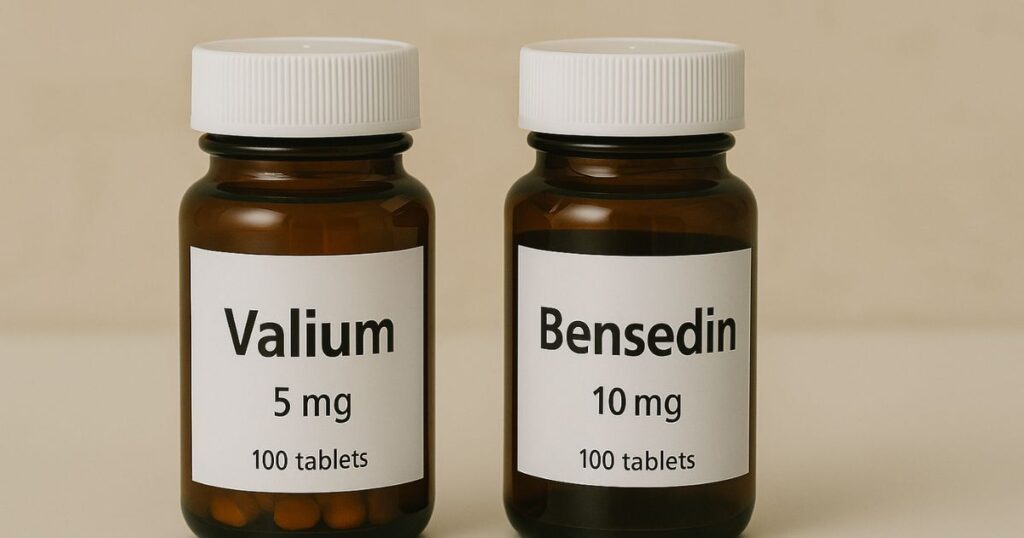
How to Navigate Diazepam Dosage Recommendations: A Consumer’s Guide
Diazepam is a well-known prescription medicine used to treat conditions such as anxiety, muscle spasms, seizures, and symptoms of alcohol withdrawal. While it can be highly effective, understanding diazepam dosage recommendations is essential for safe use. Taking too much, taking it too often, or using it for longer than advised can increase the risk of side effects, dependence, and withdrawal problems.
This consumer-friendly guide explains how diazepam dosing works, why doses vary between patients, and what you should know to use this medicine safely and responsibly.
What Is Diazepam and Why Is Dosage Important?
Diazepam belongs to a group of medicines called benzodiazepines. It works by calming overactive signals in the brain and nervous system, producing relaxing, anti-anxiety, muscle-relaxing, and sedative effects.
Because diazepam acts on the central nervous system, the correct dosage is crucial. Even small changes in dose can significantly affect how the medicine works and how your body responds.
Why Diazepam Dosage Is Not the Same for Everyone
There is no single “standard” dose that suits all patients. Prescribers tailor diazepam dosage recommendations based on individual needs and safety considerations.
Factors that influence your dosage
- The condition being treated (for example, anxiety or muscle spasms)
- Severity and duration of symptoms
- Age and body weight
- Overall health and liver function
- Other medicines you are taking
- Your previous response to benzodiazepines
This personalized approach helps balance symptom relief with the lowest possible risk.
Common Diazepam Dosage Uses
The way diazepam is prescribed depends largely on why it is being used. The following examples are general and should never replace advice from your own prescriber.
For anxiety
Diazepam may be prescribed at a low dose for short-term relief of severe anxiety. Treatment duration is usually limited to reduce the risk of dependence.
For muscle spasms
In muscle-related conditions, the diazepam dosage is adjusted to provide muscle relaxation while minimising drowsiness and weakness.
For seizures or alcohol withdrawal
These uses often involve higher or more closely monitored doses, typically under specialist or hospital supervision.
Always follow the exact instructions provided on your prescription.
How to Take Diazepam Safely
Using diazepam correctly is key to avoiding unnecessary risks.
- Take diazepam exactly as prescribed
- Do not increase the dose or frequency on your own
- Take doses at evenly spaced times if prescribed regularly
- Never share your medication with others
- Store diazepam securely, away from children
Side Effects Related to Diazepam Dosage
Side effects are more likely if the dose is too high or if your body is particularly sensitive to benzodiazepines.
Common side effects
- Drowsiness or fatigue
- Dizziness or light-headedness
- Reduced concentration
- Muscle weakness
Signs your dose may be too strong
- Excessive sleepiness
- Confusion or memory problems
- Unsteadiness or increased risk of falls
- Slurred speech
If you experience these symptoms, contact a healthcare professional promptly.
Important Interactions That Affect Diazepam Dosage
Diazepam can interact with other medicines and substances, which may require dose adjustments or avoidance.
Interactions to be cautious about
- Alcohol, which greatly increases sedation and risk
- Other benzodiazepines or sleeping tablets
- Opioid painkillers
- Some antidepressants and antipsychotics
Always tell your prescriber about all medicines, supplements, and alcohol use.
Reducing or Stopping Diazepam Safely
Diazepam should not be stopped suddenly after regular use. Abrupt withdrawal can cause symptoms such as anxiety, restlessness, sleep problems, and, in severe cases, seizures.
If diazepam needs to be discontinued, a clinician will usually recommend a gradual reduction in diazepam dosage. This tapering process helps minimize withdrawal symptoms and improves safety.
FAQs About Diazepam Dosage
Can I adjust my diazepam dosage myself?
No. You should never change your dose without medical advice. Always speak to your prescriber first.
Does a higher dose work better?
Not always. Higher doses increase the risk of side effects and dependence without guaranteeing better symptom control.
How long should I take diazepam?
It is usually prescribed short term. Duration depends on your condition and should be reviewed regularly.
Is diazepam safe for older adults?
It may be used with caution. Older adults are more sensitive to side effects, so lower doses and close monitoring are often recommended.
Conclusion: Making Sense of Diazepam Dosage Recommendations
Understanding diazepam dosage recommendations helps consumers and patients use this medicine safely and effectively. When taken exactly as prescribed, diazepam can provide valuable relief for anxiety, muscle spasms, and other conditions.
The key principles are simple: follow your prescription, avoid self-adjusting doses, be aware of interactions, and attend regular reviews. Informed and responsible use ensures diazepam remains a helpful treatment rather than a preventable risk.